


From beginner level to high-end specialist training.
Stringing of conductors in proximity to exposed and energized circuits and plants
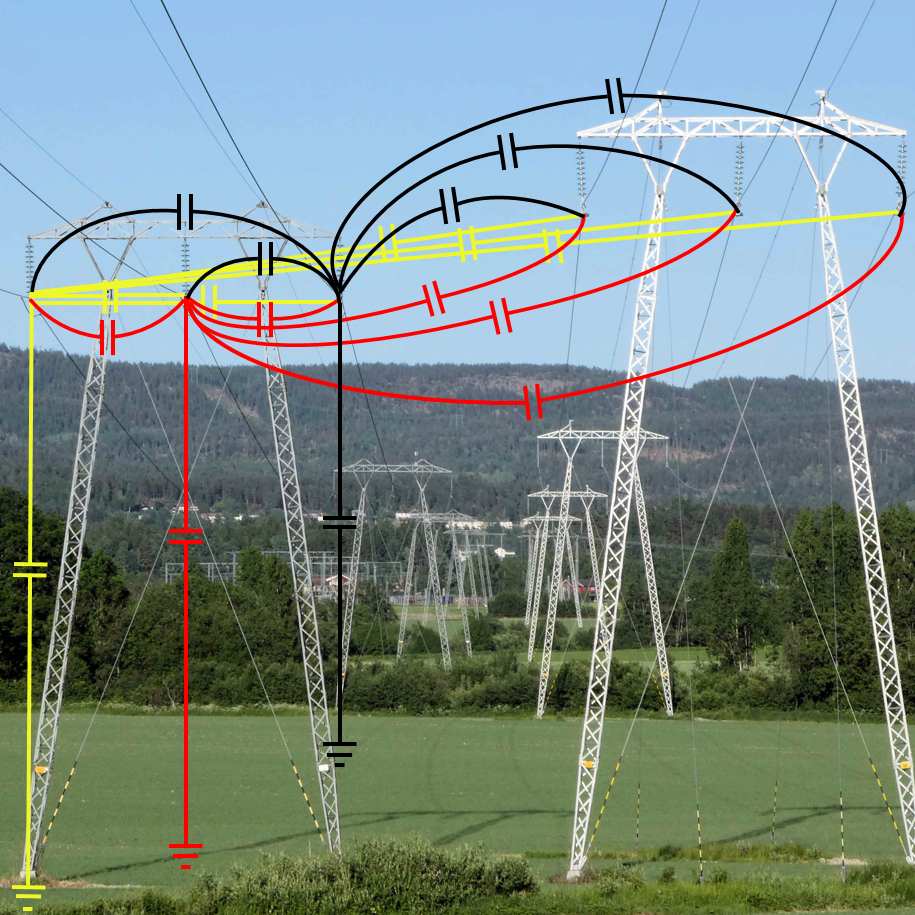
Get a solid knowledge of working in the proximity of energized circuits...and learn how to realize projects safely.
Brief summary of the training content:
- Basics of Electricity for better understanding of the working methods: To improve or to refresh the existing knowledge.
- Grounding, minimum approach distances, earth faults, different star point groundings and their impact, electric and electromagnetic fields.
- Approximated calculation of induced voltages for practical purposes.
- Cradle block methods, calculation and choice of ropes and equipment, other stringing methods, practical tips and hints.
- Safety measures, Safe-Work-Analysis.
Tension stringing and construction of overhead transmission lines
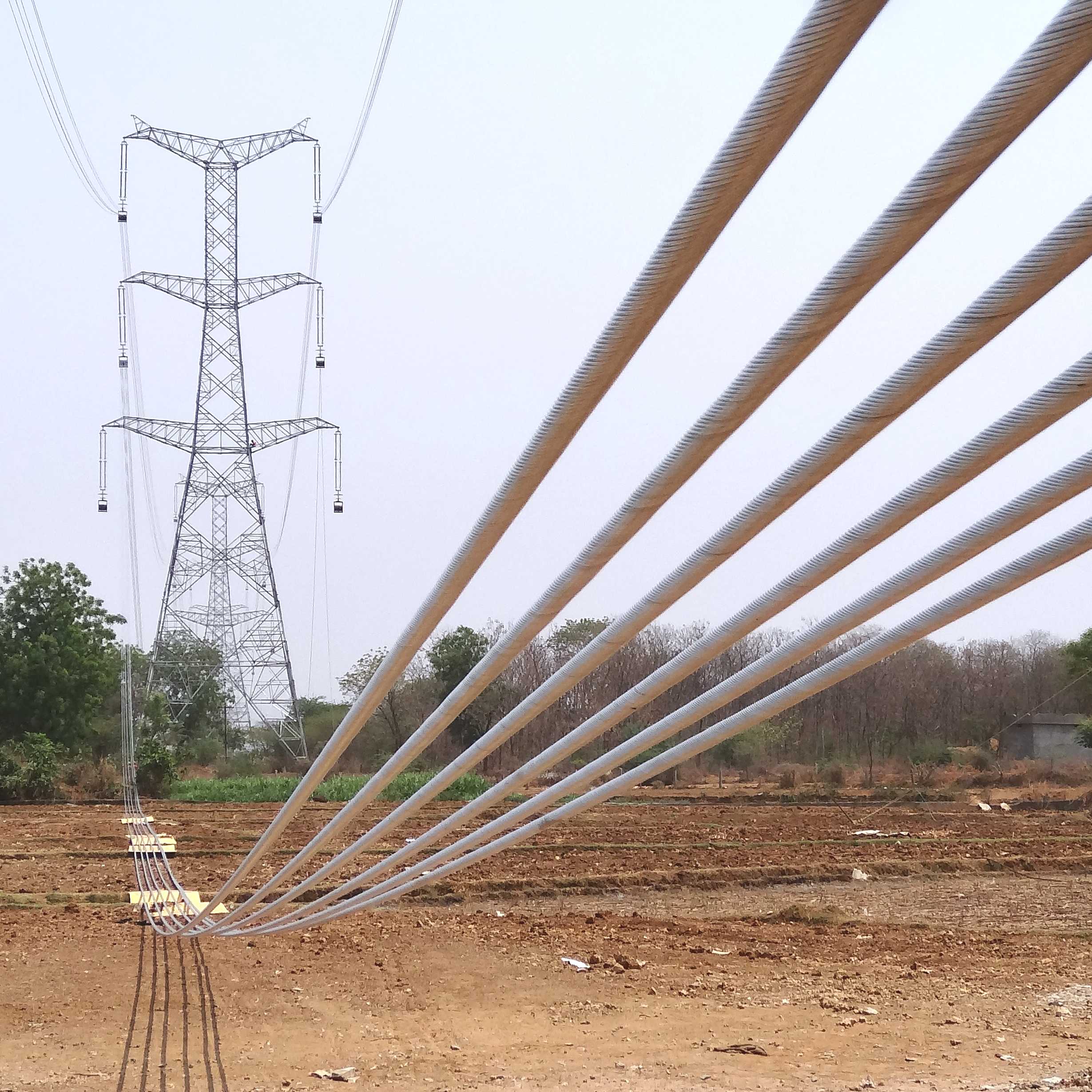
A complete wrap-up of transmission line tension stringing for newbies, managers and experts.
Overhead conductor tension stringing on all kinds of transmission lines at all voltage levels.
Brief summary of the training content:
- Theoretical background of tension stringing
- Conductors, fiber optic cables, correct handling, etc.
- Equipment and machines: Calculation of the appropriate machinery and equipment (calculated both approximately and very precisely upon request)
- Project and site organization.
- Working methods in detail.
- Safety measures, Safe-Work-Analysis.
Gin pole tower assembly and erection
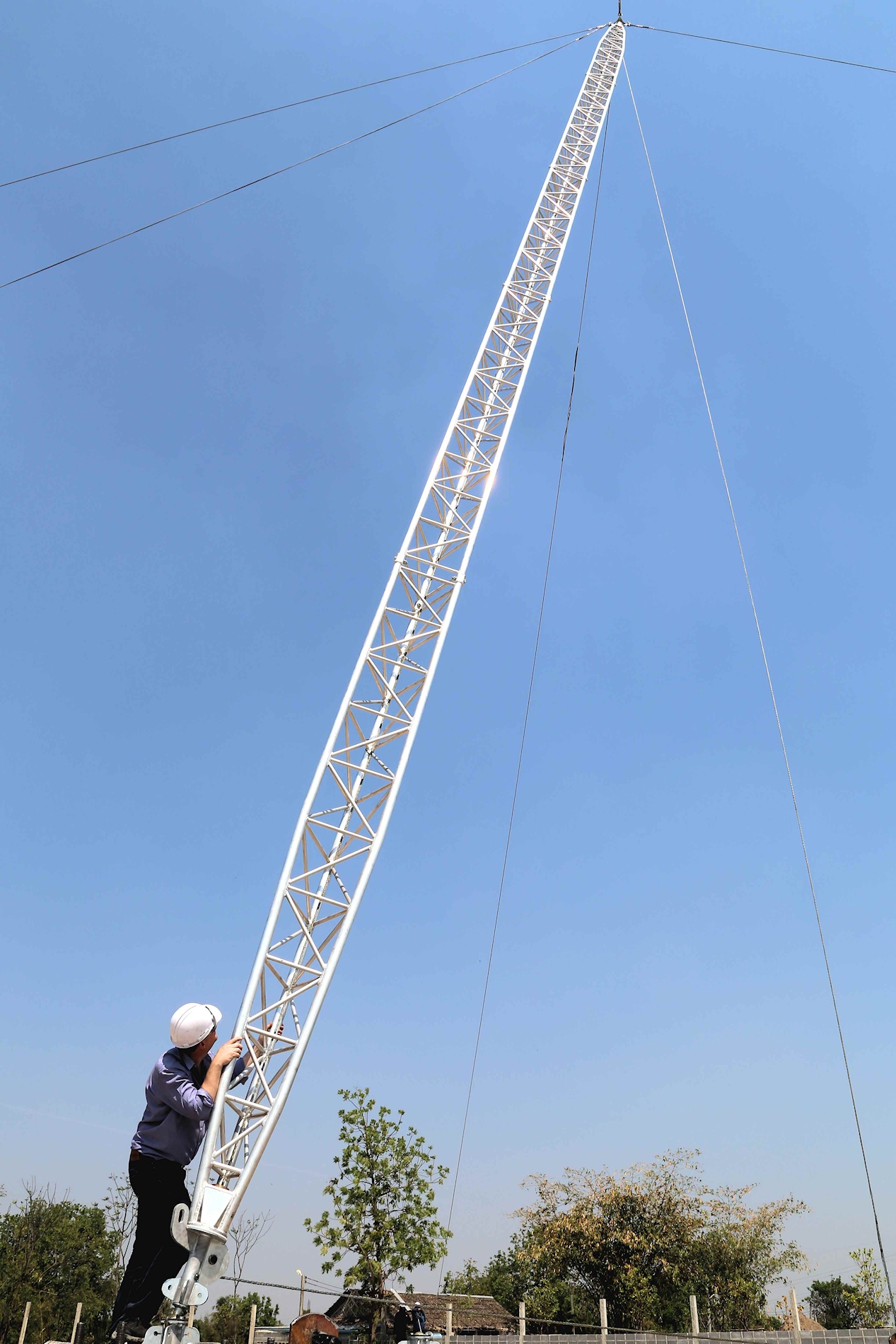
Experience the principles and working practice of gin poles.
Theoretical and practical training in the gin pole assembly and erection of lattice towers, and other applications.
Part I: For engineers, planners, project and site managers, technicians
- Types of gin poles, terminology, different applications.
- Calculation of forces and the choice of appropriate and tools and equipment. Absolute clarity about all load conditions and site situations.
- Working methods in detail.
- Tips and hints.
- Case studies.
- Project and site organization.
- Safety measures, Safe-Work-Analysis.
Part II: For participants from Part I and foremen, riggers as well as other interested persons
- Types of gin poles, terminology, different applications.
- Required machines and equipment, anchoring, etc.
- Working methods in detail.
- Tips and hints.
- Case studies.
- Project and site organization.
- Safety measures, Safe-Work-Analysis.
- If desired (highly recommended): Practical gin pole exercises at ground level.
The Theory of Electric and Magnetic Field Induction in transmission lines, underground and telecommunication cables
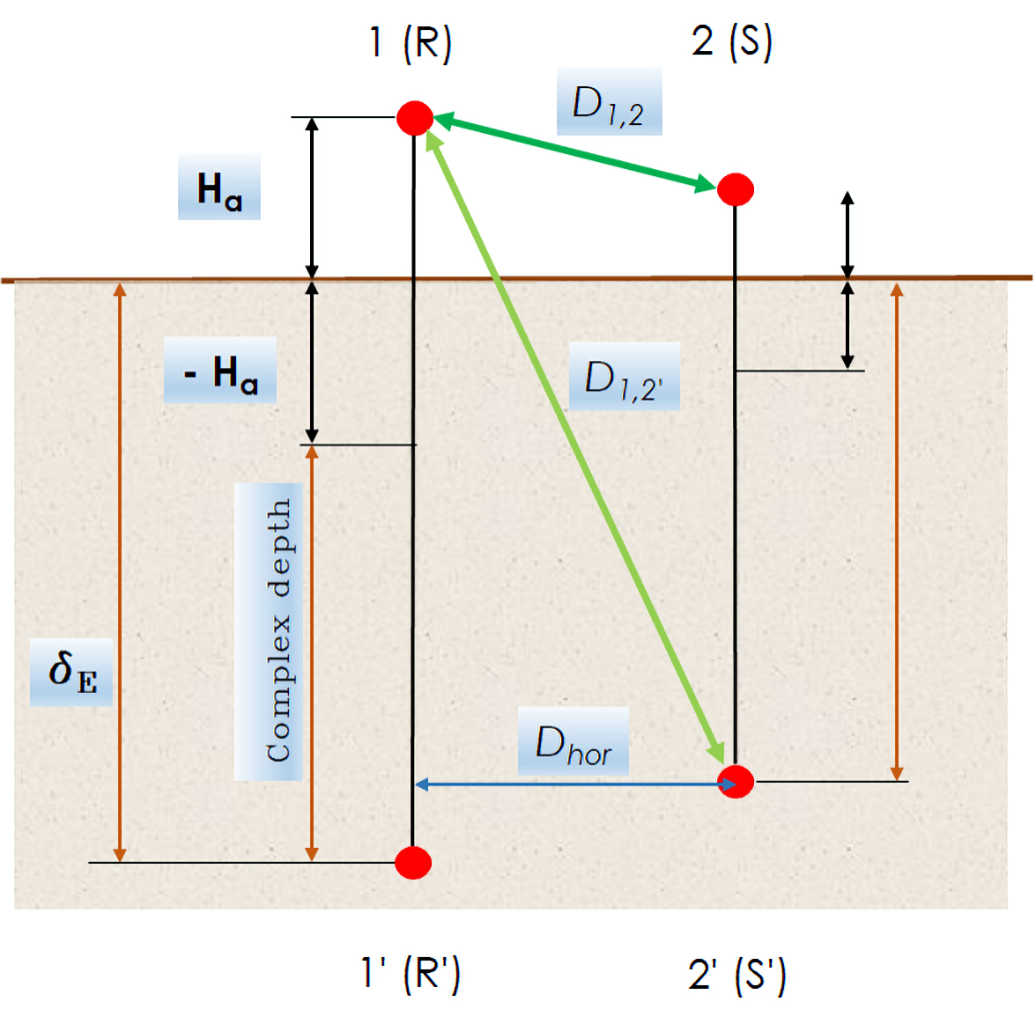
Manual calculation of induced voltages and currents:
A professional management approach of working in proximity of energized circuits and plants and a solid basis for Method Statements, SWA and H&S plans.
The participants will be able to make their own independent calculations and assessments rather than blindly trusting "one-click results" from software programs.
A professional management approach of working in proximity of energized circuits and plants and a solid basis for Method Statements, SWA and H&S plans.
The participants will be able to make their own independent calculations and assessments rather than blindly trusting "one-click results" from software programs.
Brief summary of the training content:
- Theoretical basics.
- Geometric Mean Radius GMR of a multi-layer conductor with individual strand shape and its calculation, GMD, etc.
- Complex earth depth and its calculation.
- Capacitive induction, image conductors, capacitance of transmission lines.
- Magnetic field induction, Carson's self- and mutual impedance.
- Effect of shield wires.
- Calculation examples: Precise calculation according to IEEETM 524 standard, Schnell/Clarke.
"IEEE Guide for the installation of overhead Transmission Line Conductors",
IEEE Std 524-2016 (Revision of IEEE Std 524-2003, April 2017).
- Calculation examples: Precise calculation according to IEEETM 524 standard, Schnell/Clarke.
- Comparison of the results with and without shield wires or underground cables with neutral.
Alternative calculations according to Clem, Dubanton, etc. and their limitations.
- Comparison of the results with and without shield wires or underground cables with neutral.
- Case studies: Non parallel circuits, pipelines, underground and telecommunication cables.